


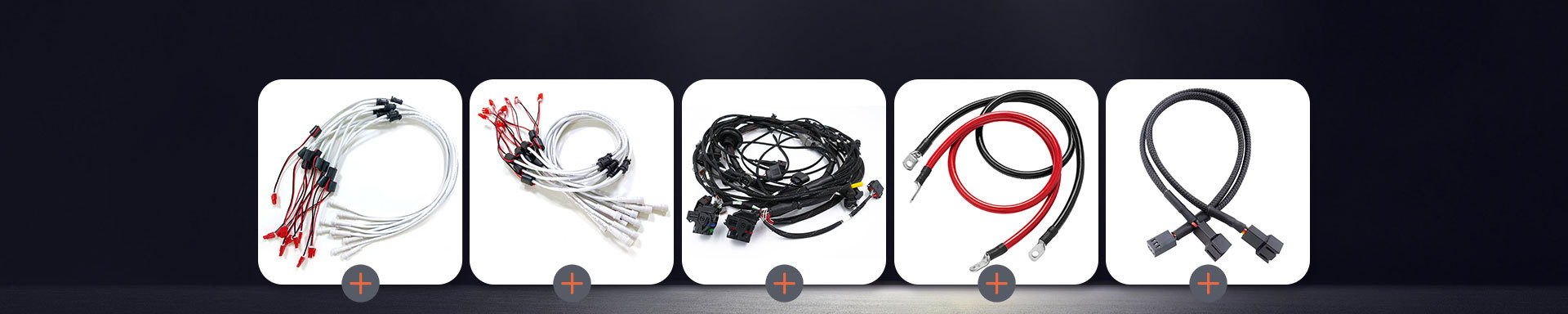
The Green Wire Harness Revolution: How Chinese Manufacturers Are Setting New Standards for Sustainable Wire Harness Production
2025-12-24 10:38As sustainability becomes a defining requirement rather than a marketing option, the global electronics industry is re-evaluating how even its most fundamental components are produced. Wire harnesses—once viewed as purely functional—are now under scrutiny for material sourcing, energy consumption, and end-of-life impact. In this shift, Chinese manufacturers are emerging as unexpected leaders, redefining what responsible production looks like.
At the center of this transformation is a new generation of Eco-friendly Wire Harness manufacturing practices that integrate environmental responsibility with industrial performance. Rather than treating sustainability as an add-on, leading manufacturers are embedding it directly into design, sourcing, and production systems.
Founded in 2015, Xiamen Evershine Electronic Technology Co., Ltd. represents this evolution. Specializing in wire, cable, and wire harness R&D, production, and sales, Evershine serves industries including communications, home appliances, power automation, aerospace vehicles, ships, and automobiles. With ISO9001 certification and multiple international approvals, the company aligns quality management with long-term environmental accountability.
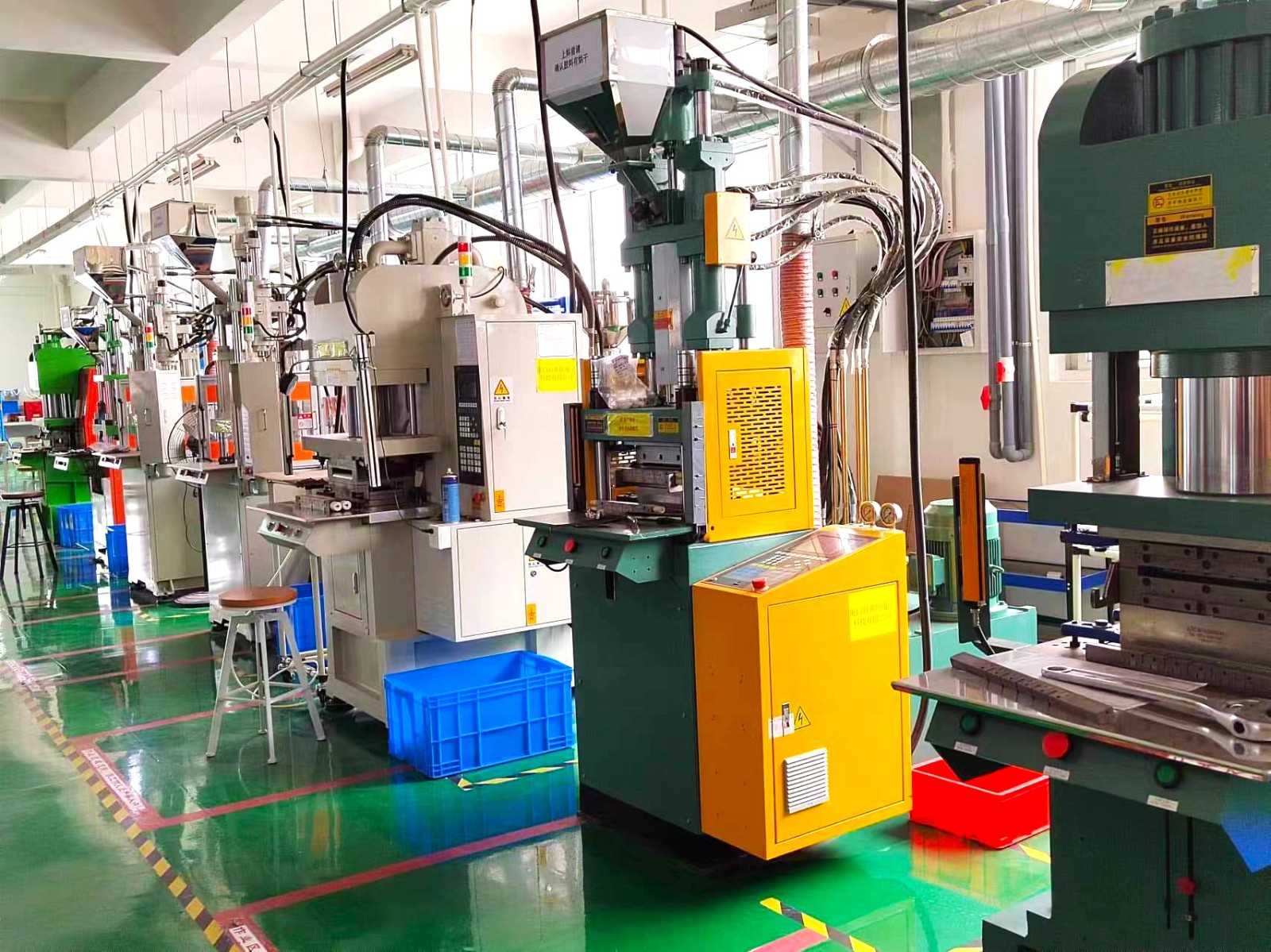
From Compliance to Commitment: A Structural Shift in Wire Harness Manufacturing
Historically, environmental compliance in the wire harness sector focused narrowly on meeting regulations such as RoHS or REACH. Today, global OEMs are demanding far more. Lifecycle assessments, traceability, and carbon transparency are becoming procurement prerequisites.
This demand has accelerated the adoption of Sustainable Cable Assembly models, where process optimization and material efficiency are designed to reduce waste at every stage. In this context, Green Manufacturing Wire Harness practices are no longer niche—they are rapidly becoming the industry baseline.
Chinese manufacturers, supported by vertically integrated supply chains and advanced process control, are uniquely positioned to scale these changes. What was once a cost-driven ecosystem is now evolving into a technology-driven sustainability platform.

Industry Snapshot: Key Metrics in Sustainable Wire Harness Manufacturing
| Indicator | 2024 | 2027 (Projected) | Trend |
| Global wire harness market | USD 92B | USD 115B | Steady growth |
| Sustainable harness adoption | 26% | 44% | Rapid expansion |
| Average material waste rate | 8.50% | 4.20% | Significant reduction |
| OEM sustainability audits | Medium | High | Increasing rigor |
| Demand for recyclable designs | Moderate | High | Accelerating |
These figures highlight why Recyclable Wire Harness Solutions and Low Carbon Footprint Cable development are becoming decisive competitive factors rather than optional features.
How Chinese Manufacturers Are Leading the Green Transition
The leadership of Chinese suppliers is not based on slogans, but on execution. Three capabilities stand out:
Material Innovation
The transition to halogen-free insulation, recyclable polymers, and optimized conductor usage supports the growth of Eco-friendly Wire Harness systems without compromising electrical performance.Process Optimization
Advanced automation and lean production reduce scrap rates and energy consumption, reinforcing Sustainable Cable Assembly as an operational reality rather than a theoretical goal.Lifecycle Thinking
By integrating disassembly and recycling considerations early in design, manufacturers enable true Recyclable Wire Harness Solutions aligned with circular economy principles.
At Evershine, these capabilities are implemented across product lines, allowing customers to meet environmental targets while maintaining reliability and cost control.
FAQ: Common Questions from Global Buyers
Q1: Do sustainable wire harnesses increase procurement costs?
Not necessarily. Green Manufacturing Wire Harness approaches often reduce long-term costs by lowering material waste and rework.
Q2: Are recyclable materials less durable?
Modern Recyclable Wire Harness Solutions are engineered to meet or exceed traditional durability standards.
Q3: How is carbon impact measured?
Manufacturers evaluate energy use, material sourcing, and logistics to deliver Low Carbon Footprint Cable options with transparent data.
Q4: Can sustainability be applied to custom designs?
Yes. Sustainable Cable Assembly is particularly effective in custom projects, where design choices directly influence environmental impact.
Q5: Why source green wire harnesses from China?
China’s integrated supply chains allow Eco-friendly Wire Harness production to scale efficiently without sacrificing quality.
A New Role for Chinese Wire Harness Manufacturers
The green transition is redefining the role of manufacturers. No longer limited to execution, suppliers are becoming sustainability partners—helping global brands meet regulatory, environmental, and market expectations simultaneously.
By combining engineering depth with Low Carbon Footprint Cable strategies, companies like Xiamen Evershine Electronic Technology Co., Ltd. are positioning China as a global reference point for responsible wire harness manufacturing.
Conclusion and Call to Action: Sustainability That Connects the Future
Sustainable manufacturing is no longer a future ambition—it is a present-day requirement. The wire harness industry, once invisible to end users, now plays a visible role in corporate environmental performance.
The green wire harness revolution is already underway. Choosing partners who understand Green Manufacturing Wire Harness principles means choosing resilience, compliance, and long-term value.
Xiamen Evershine Electronic Technology Co., Ltd. remains committed to quality, integrity, and innovation—delivering Eco-friendly Wire Harness and Sustainable Cable Assembly solutions that connect technology with responsibility, and manufacturing with the future.