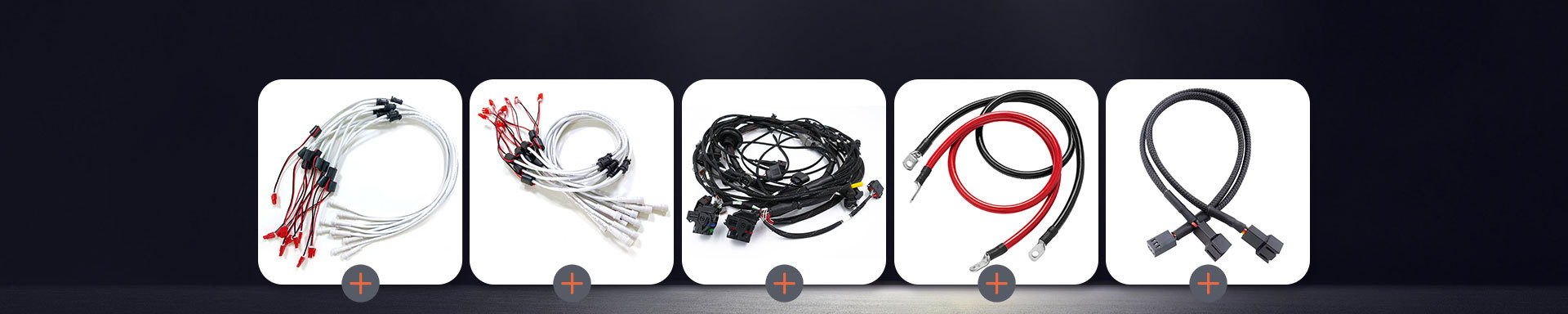
With the rapid development of modern industries and electronic technologies, electrical connection systems have become increasingly important. From automotive systems and renewable energy equipment to industrial automation, communication devices, and household appliances, almost every product that requires power transmission and signal control depends on one essential component — Wire Harness.
For many purchasing professionals, a wire harness may look like a simple combination of wires. However, a professional wire harness is actually an engineered electrical connection solution involving product design, material selection, precision manufacturing, assembly processes, and strict testing procedures.
The quality of a wire harness directly affects:
So, what is a Wire Harness? Why do different industries require customized wire harness solutions? What technical factors should buyers consider when purchasing? How can you choose a reliable wire harness manufacturer?
As a professional enterprise specializing in the R&D, manufacturing, and sales of wires, cables, and wire harness products, Xiamen Evershine Electronic Technology Co., Ltd. provides high-quality and reliable wire harness solutions for customers worldwide.

1. Product Definition: What is Wire Harness?
1.1 Basic Definition of Wire Harness
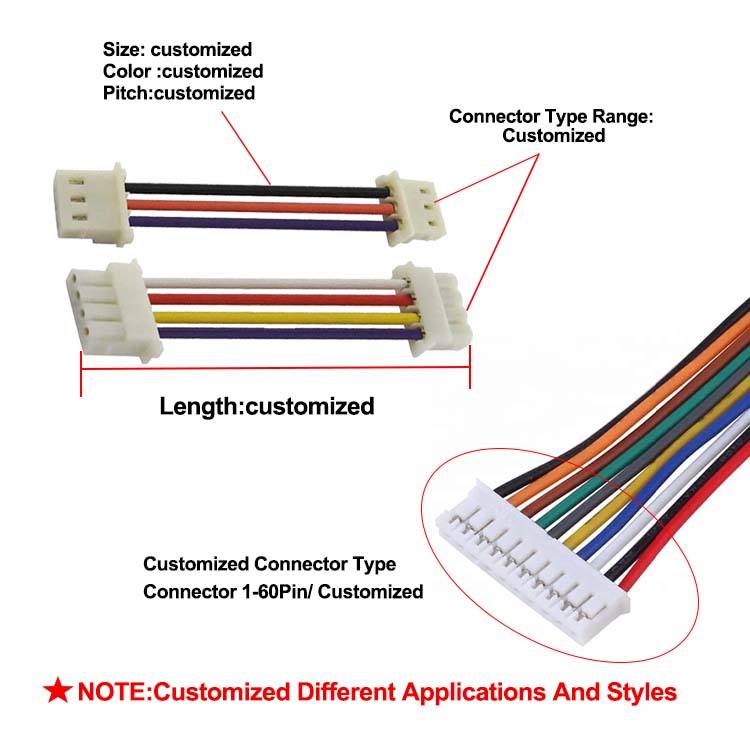
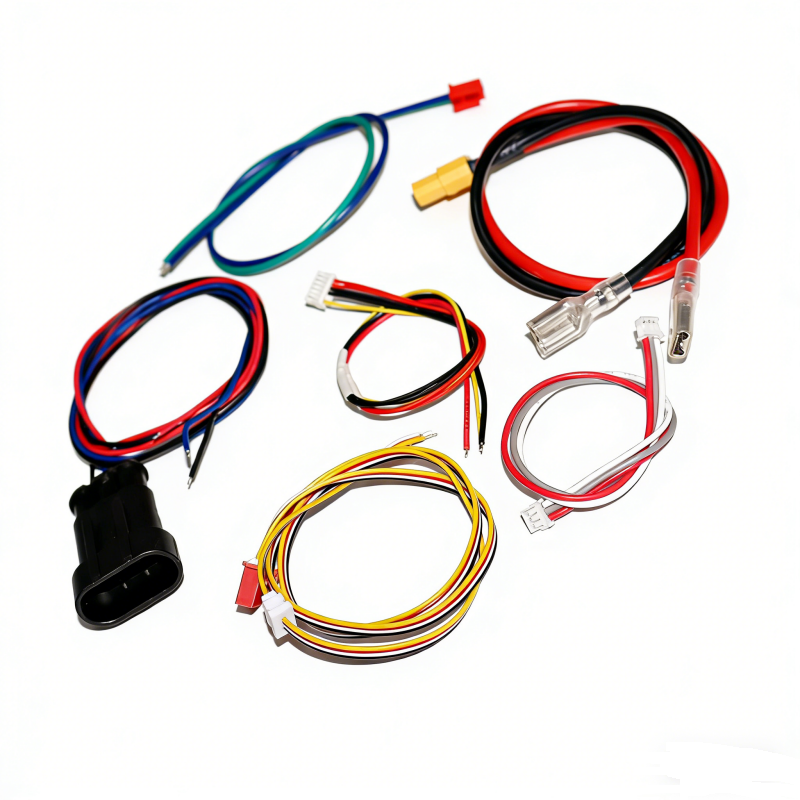
A Wire Harness is an integrated electrical assembly that combines multiple wires, cables, terminals, connectors, and protective materials according to specific equipment requirements.
Its main functions include:
Simply speaking:
If an electronic device is compared to the human body:
Wires are like blood vessels;
Signal cables are like nerves;
Wire Harness is the organized network connecting the entire electrical system.
1.2 Main Components of Wire Harness
A complete Wire Harness usually includes the following components:
| Component | Function |
|---|
| Wire | Transfers electrical current and signals |
| Terminal | Provides conductor connection |
| Connector | Connects different electrical modules |
| Insulation Layer | Prevents short circuits and electrical leakage |
| Protective Sleeve | Provides mechanical and environmental protection |
| Tape / Clip | Maintains wire structure and stability |
Different industries have different requirements for wire harness structures, so professional manufacturers must design solutions according to actual operating environments.
1.3 Difference Between Wire Harness and Ordinary Wire
Many buyers confuse Wire Harness with standard wires or cables.
| Comparison | Wire Harness | Ordinary Wire |
|---|
| Product Form | Integrated wiring assembly | Single conductor or simple cable |
| Customization | Highly customizable | Mostly standardized |
| Connector Included | Usually included | Usually not included |
| Main Function | Complete system connection | Electrical transmission |
| Manufacturing Complexity | Higher | Lower |
Therefore, Wire Harness is not just a material product, but a complete engineering solution.
2. Application Scenarios: Different Industry Applications of Wire Harness
With the development of electrification, automation, and intelligent systems, Wire Harness products are widely used across different industries.
2.1 Automotive Industry
The automotive sector is one of the largest application markets for Wire Harness.
Modern vehicles contain numerous electronic systems, including:
Especially in electric vehicles, the demand for advanced wire harness solutions is increasing rapidly.
EV wire harnesses must meet higher requirements:
Typical applications include:
EV battery harnesses;
Charging harnesses;
Motor control harnesses.
2.2 Industrial Automation Industry
With the growth of smart manufacturing, industrial equipment increasingly depends on reliable electrical connections.
Applications include:
Industrial Wire Harness products require:
High flexibility;
Resistance to mechanical fatigue;
Stable signal transmission;
Long-term operation capability.
For example, robot arm wiring requires repeated bending performance. Without proper design and materials, cable fatigue may lead to failures.
2.3 Communication Equipment Industry
Communication systems require highly stable signal transmission.
Wire Harness applications include:
Network equipment;
Servers;
Data center systems;
Communication cabinets.
Key requirements:
2.4 Home Appliance Industry
Household appliances widely use both standard and customized Wire Harness products.
Examples include:
Air conditioners;
Refrigerators;
Washing machines;
Smart home devices.
Purchasing priorities include:
2.5 Aerospace and Marine Industry
Special environments require higher-performance Wire Harness solutions.
Important considerations include:
Therefore, aerospace and marine applications require stronger requirements for:
Material performance;
Manufacturing accuracy;
Product testing.
3. Technical Parameters: What Should Buyers Consider When Purchasing Wire Harness?
When purchasing Wire Harness products, price should not be the only consideration. Buyers need to evaluate complete technical specifications.
3.1 Wire Gauge
Wire Gauge determines:
Common applications:
| Wire Gauge Type | Application |
|---|
| Small Gauge | Signal transmission |
| Medium Gauge | Control systems |
| Large Gauge | Power applications |
3.2 Rated Voltage
Different equipment requires different voltage ratings.
Purchasers should confirm:
Working voltage;
Peak voltage;
Safety requirements.
3.3 Temperature Rating
Different working environments require different insulation materials.
| Environment | Recommended Materials |
|---|
| Standard Environment | PVC |
| High Temperature | Silicone / XLPE |
| Automotive Environment | Heat-resistant Materials |
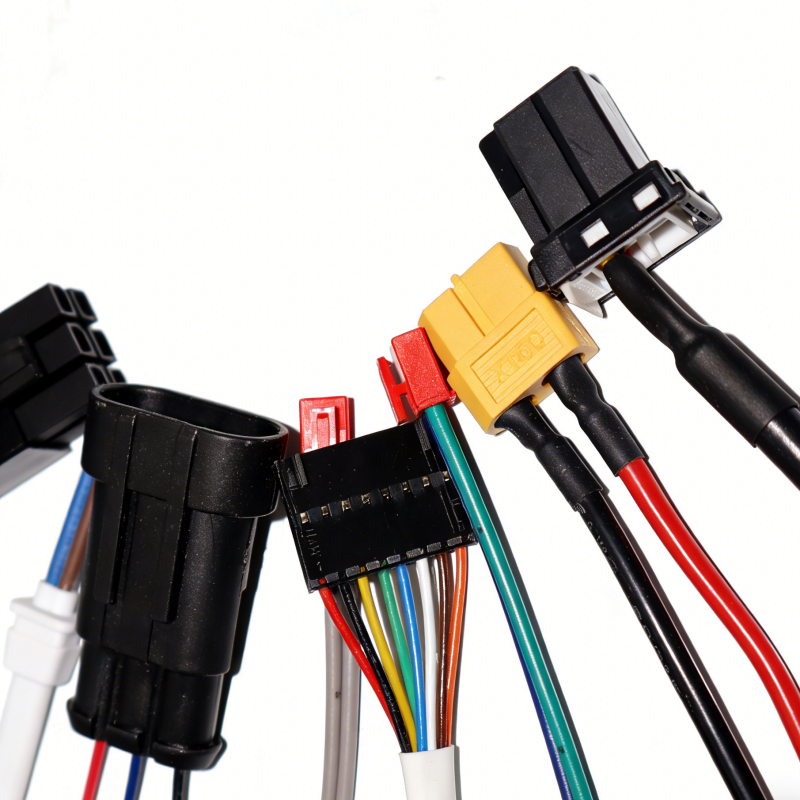
3.4 Connector Type
Connector selection affects:
Important factors include:
Connector model;
Number of pins;
Protection rating.
3.5 Protection Structure
Common Wire Harness protection methods include:
Braiding Protection
Advantages:
Applications:
Automotive systems;
Industrial robots.
Sleeving Protection
Advantages:
Waterproof protection;
Dust resistance;
Mechanical protection.
Applications:
Bundling Protection
Advantages:
Lower cost;
Easy installation.
Applications:
Home appliances;
General equipment.
4. Purchasing Questions: How to Choose the Right Wire Harness Supplier?
Q1: Why Choose Customized Wire Harness?
Different equipment has different requirements:
Customized Wire Harness advantages:
Q2: What Capabilities Should a Professional Wire Harness Manufacturer Have?
A reliable supplier should have:
1. Engineering Capability
Including:
2. Manufacturing Capability
Including:
3. Quality Control Capability
Including:
Q3: How Long Does Wire Harness Production Usually Take?
Production time depends on:
Product complexity;
Order quantity;
Material availability.
Typical process:
| Stage | Time |
|---|
| Technical Confirmation | 3-7 Days |
| Prototype Development | 7-15 Days |
| Mass Production | According to Order Requirements |
5. Industry Data Support: Why Is the Wire Harness Market Growing?
With the global expansion of intelligent manufacturing, electric vehicles, and electronic devices, demand for Wire Harness products continues to increase.
Key market drivers:
| Market Trend | Impact on Wire Harness Industry |
|---|
| Electric Vehicle Growth | Increases demand for advanced harnesses |
| Industrial Automation Upgrade | Expands customized harness applications |
| Smart Device Development | Creates higher connection demand |
| Data Center Construction | Drives high-speed connection solutions |
Industry trends show:
Electric vehicles require significantly more electrical connection systems than traditional vehicles;
Increasing automation equipment drives demand for industrial wire harnesses;
OEM companies increasingly cooperate with professional manufacturers for customized solutions.
Future competition in the Wire Harness industry will focus on:
6. From Requirement to Delivery: Xiamen Evershine Wire Harness Cooperation Process
To help customers quickly obtain suitable Wire Harness solutions, Xiamen Evershine Electronic Technology Co., Ltd. provides a complete project service process.
Step 1: Requirement Communication
Customers provide:
Step 2: Engineering Evaluation
Our engineering team analyzes:
Step 3: Prototype Development
Including:
Sample production;
Performance testing;
Customer approval.
Step 4: Mass Production
Following:
Step 5: Delivery and Long-Term Support
Providing:
Conclusion: Choosing a Professional Wire Harness Supplier Makes Your Project More Reliable
Although Wire Harness is not the largest component inside equipment, it plays a critical role in power transmission and signal communication.
A reliable Wire Harness solution requires comprehensive evaluation of:
As a professional wire, cable, and wire harness manufacturer, Xiamen Evershine Electronic Technology Co., Ltd. focuses on providing high-quality, customized, and reliable Wire Harness solutions for customers worldwide.
Whether your application is in automotive electronics, industrial automation, communication equipment, or smart electronic products, Xiamen Evershine can provide professional engineering support according to your project requirements.
Contact Xiamen Evershine Electronic Technology Co., Ltd. today and let our engineering team help you develop the right Wire Harness solution for your application.