

Why Do Many Electronic OEMs Prefer Chinese Factory for Custom DuPont SYP 2 Pin Connector Wire Harness?
2026-09-30 10:15For electronic OEMs, sourcing a custom wire harness is rarely just about finding the lowest unit price.
Smart home devices, industrial control equipment, sensors, small appliances, and electronic modules often require wire harnesses with specific wire gauges, connector configurations, cable lengths, pin arrangements, and compliance requirements.
This is why more OEM purchasing teams are paying attention to the difference between buying from a trading company and working directly with a custom wire harness China factory.
For projects using a DuPont SYP 2pin harness, direct factory sourcing can be particularly valuable when the customer needs small-batch prototypes, frequent design modifications, UL-compliant wire options, or a short transition from sample approval to mass production.
The key question is:
Why do electronic OEMs prefer to work directly with a Chinese wire harness factory for customized SYP 2-pin harnesses?
The answer involves more than price. It includes manufacturing control, engineering communication, flexible customization, compliance support, production efficiency, and delivery stability.
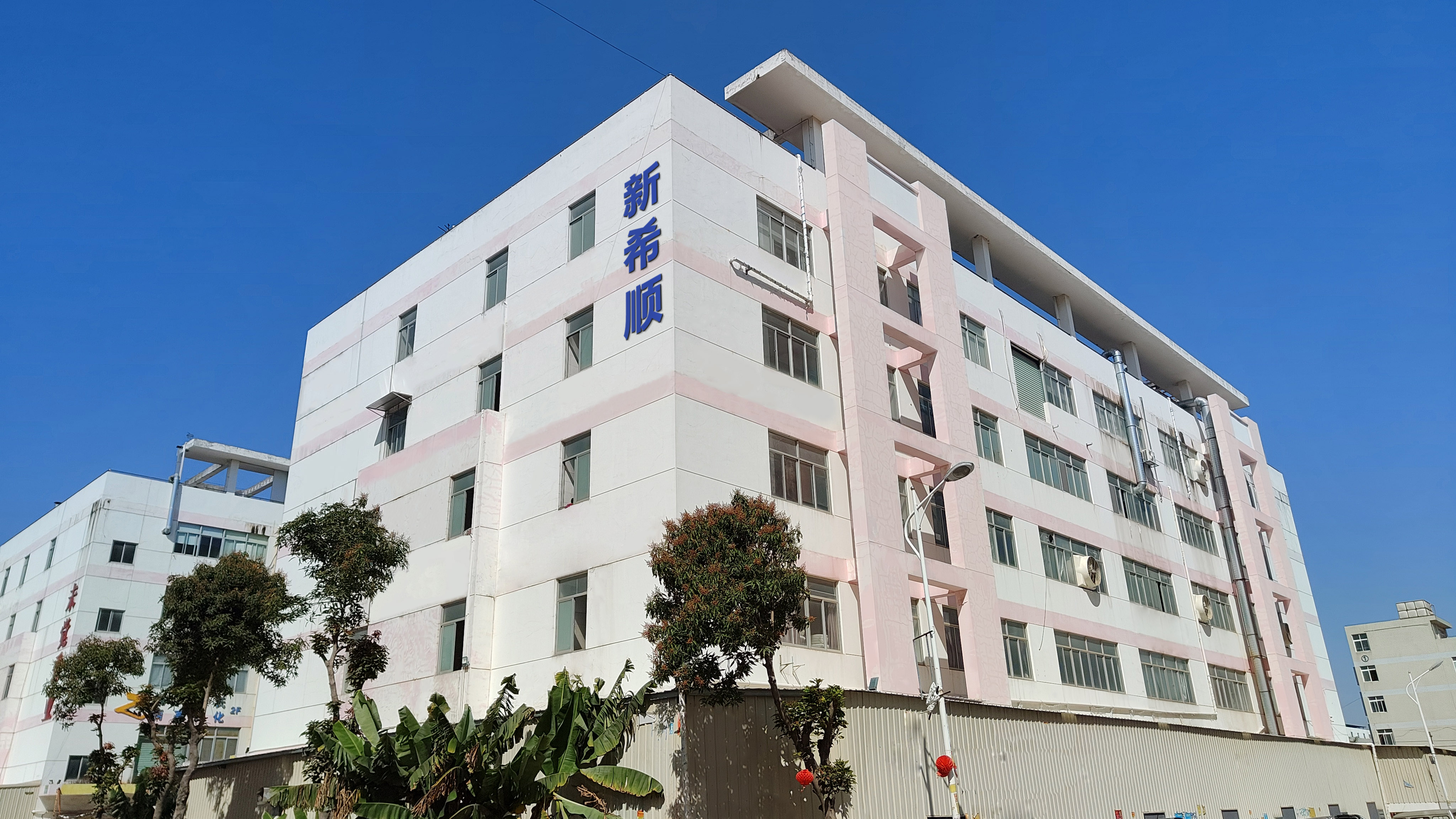
Xiamen Evershine specializes in the R&D, manufacturing, and sales of wires, cables, and wire harness products, providing integrated wire cutting, terminal crimping, connector assembly, testing, and customized harness solutions for OEM customers.
1. User Problem: Why Can Buying Custom Wire Harnesses Through a Trader Become Difficult?
A trading company can be convenient when an OEM wants to source many different products from multiple manufacturers.
However, customized wire harness projects can involve detailed technical communication.
For example, an OEM may need to change:
Wire gauge
Wire length
Connector configuration
Terminal specification
Pin arrangement
Wire color
Stripping length
Crimping requirements
Packaging
Testing requirements
If the trading company does not control the actual manufacturing process, every engineering change may need to pass through several parties.
This creates a communication chain such as:
OEM → Trading Company → Factory → Production Team
A direct manufacturing relationship can simplify this to:
OEM → Factory Engineering Team → Production
This difference becomes especially important during prototype development.
Common OEM Challenges
Purchasing engineers may encounter:
High MOQ for customized products
Limited support for small-batch samples
Slow response to engineering changes
Repeated specification confirmation
Longer quotation cycles
Unclear manufacturing processes
Difficulty obtaining production data
Unstable lead times
Limited flexibility after sample approval
For a product still under development, these issues can delay the entire project.
A professional custom wire harness China factory can provide a more direct path between product design and manufacturing.
2. Product Selection: Why Choose a Custom DuPont SYP 2pin Harness?
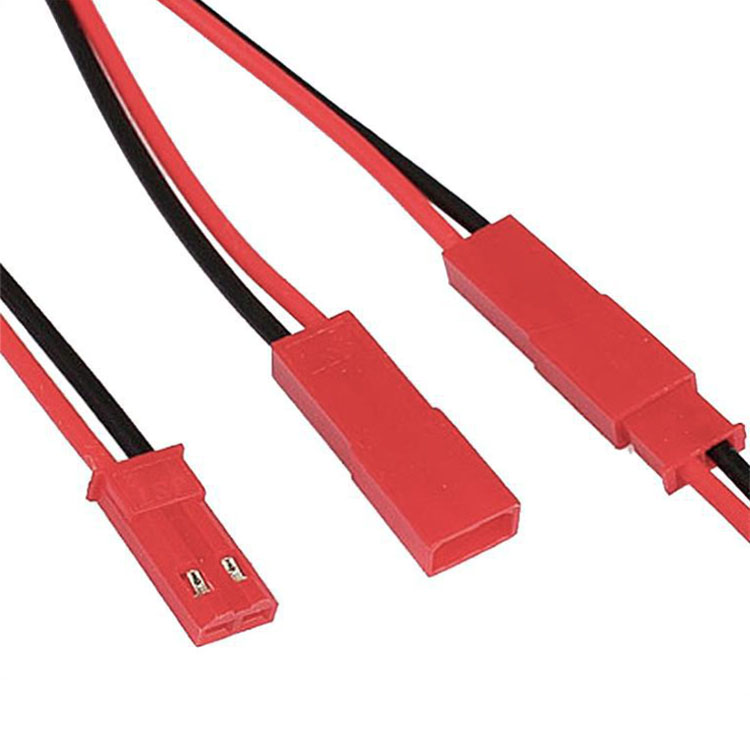
The DuPont SYP 2pin harness is suitable for compact electronic connection requirements where a two-position connector configuration is needed.
For OEM applications, the harness should not be selected solely based on connector appearance.
The complete assembly needs to be evaluated as:
Wire + Terminal + Connector Housing + Crimping + Assembly + Testing
A customized harness can be configured according to the actual product design.
Key Customization Options
OEM buyers may specify:
Wire gauge
Wire material
Insulation type
Wire length
Wire color
Number of conductors
Connector type
Terminal type
Pin configuration
Connector orientation
Stripping length
Labeling
Packaging
This flexibility is important for smart home and industrial electronics because different products can have very different internal wiring requirements.
3. Technical Parameters: What Should OEM Buyers Specify?
Before requesting a quotation for a DuPont SYP 2pin harness, purchasing engineers should prepare a basic technical specification.
| Parameter | What to Confirm |
|---|---|
| Connector | SYP 2-pin connector configuration |
| Number of positions | 2 |
| Wire gauge | Based on electrical requirements |
| Wire length | Customized |
| Wire color | Customized |
| Terminal | Compatible terminal |
| Pin configuration | Defined by drawing or BOM |
| Insulation | Application-dependent |
| Voltage | According to end product |
| Current | According to electrical load |
| Temperature | According to operating environment |
| Crimping | Controlled terminal crimping |
| Electrical testing | Continuity / short circuit as required |
| Mechanical testing | Pull-force / retention as required |
| Compliance | UL or other customer requirements |
| Packaging | Bulk / bag / customized |
Wire Specification Matters
A two-pin connector does not mean that every two-wire cable is interchangeable.
The selected wire needs to match the connector terminal and the application's electrical requirements.
For example, the OEM should evaluate:
Conductor Size → Current Requirement → Insulation → Temperature → Connector Terminal Compatibility
A professional factory can review these parameters before production and identify potential incompatibilities.
4. Application Scenarios: Where Are Custom SYP 2 Pin Harnesses Used?
Smart Home Devices
Smart home products often have compact internal structures containing:
Control PCBs
Sensors
Switches
Indicators
Small motors
Communication modules
A customized two-pin harness can provide a standardized connection between electronic modules while simplifying assembly.
Industrial Control Equipment
Industrial control products may use wire harnesses to connect sensors, switches, indicators, control boards, and other internal electronic components.
For these applications, reliable terminal retention and electrical continuity are particularly important.
Small Appliances
Small household appliances often require customized internal wiring based on the enclosure design and PCB layout.
Customized wire length and connector configuration can reduce unnecessary wiring and improve assembly efficiency.
Electronic Modules
OEM electronic modules may require small-batch harnesses during development and larger quantities after product launch.
This makes supplier flexibility particularly important.
5. Purchasing Decision: Why Do OEMs Compare a Trader With a Factory?
When evaluating a custom wire harness China factory, buyers should compare more than quotation prices.
The following factors can influence the total procurement cost.
| Factor | Trading Company | Direct Manufacturing Factory |
|---|---|---|
| Factory communication | Indirect | Direct |
| Small-batch prototyping | Depends on supplier | More flexible |
| Engineering changes | May require multiple communications | Direct |
| Wire cutting | Outsourced or subcontracted | Factory-controlled |
| Terminal crimping | Depends on partner | Factory-controlled |
| Connector assembly | Depends on partner | Factory-controlled |
| Quality responsibility | May involve multiple parties | Direct manufacturing responsibility |
| Production scheduling | Dependent on factory | Direct |
| Compliance documentation | Depends on manufacturer | Can be coordinated with production |
| Mass production transition | Additional coordination | More direct |
| Long-term customization | Supplier dependent | Factory engineering support |
This does not mean every trading company provides poor service.
The issue is manufacturing control.
For an OEM that needs a customized harness repeatedly, direct access to the factory can make engineering communication and production coordination more efficient.
6. Why Is Small-Batch Prototyping Important for OEMs?
Many electronic products go through several design iterations before mass production.
A typical development cycle may look like:
Concept → Prototype → Engineering Test → Design Modification → Pilot Production → Mass Production
During this process, the wire harness may need to be changed several times.
For example:
Version A: 100 mm cable
↓
Version B: 120 mm cable
↓
Version C: Different wire gauge
↓
Version D: Connector orientation changed
A factory that handles wire processing and assembly directly can potentially respond more efficiently to these modifications.
This is one reason OEMs looking for a custom wire harness China factory should evaluate prototype capability rather than only mass-production capacity.
What Should Buyers Ask?
Before starting a prototype project, ask:
Can you support small-batch samples?
Can you produce according to drawings or samples?
Can wire length be modified quickly?
Can the connector or terminal be changed?
Can you support engineering samples?
What is the sample lead time?
Can the approved sample become the production reference?
These questions can reveal whether the supplier is genuinely prepared for OEM development work.
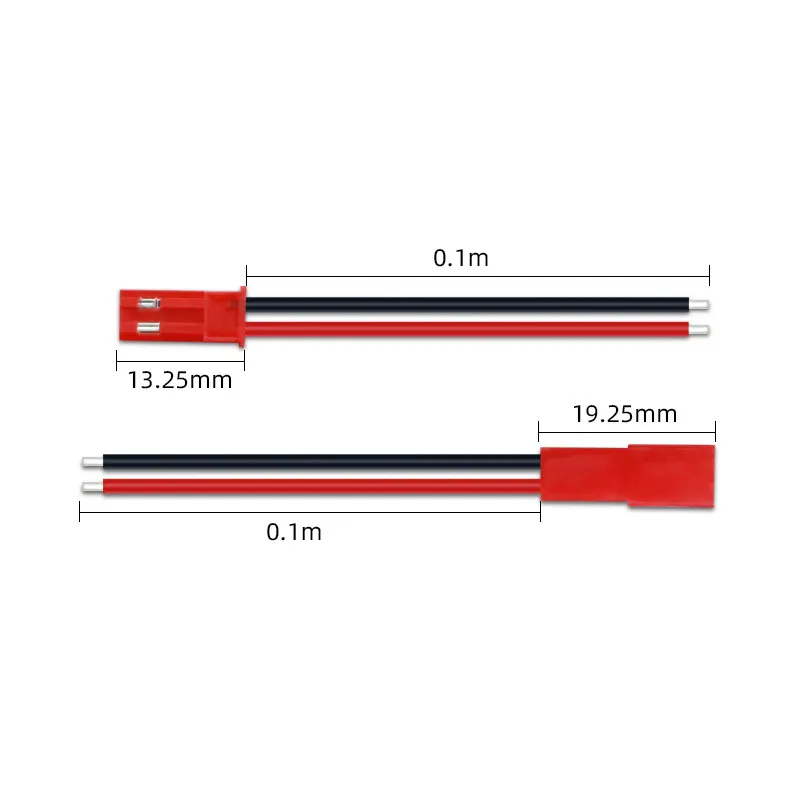
7. UL Compliance: What Should OEM Buyers Understand?
For electronic OEMs selling products in regulated markets, wire and cable compliance can be an important procurement consideration.
If the finished product requires UL-recognized or UL-listed wire components, buyers should clearly specify the required wire type and compliance requirements during the RFQ stage.
However, OEMs should distinguish between:
UL-compliant wire material
and
UL certification of the complete finished wire harness assembly.
These are not necessarily the same thing.
The exact certification or recognition requirements depend on the wire, connector, terminal, harness construction, and intended application.
Therefore, buyers should provide the required market and product compliance information to the factory before production.
A professional custom wire harness China factory should be able to review the requested wire specifications and coordinate the appropriate material documentation where applicable.
This helps prevent a common sourcing problem:
The harness is mechanically correct, but the selected materials do not meet the OEM's compliance requirements.
8. Factory Solution: How Does Xiamen Evershine Provide One-Stop Wire Harness Manufacturing?
The biggest advantage of working directly with a manufacturing factory is the ability to coordinate multiple production steps within one workflow.
Xiamen Evershine provides an integrated process covering wire and cable processing and wire harness assembly.
A typical customized harness workflow includes:
Step 1: Wire Cutting
The wire is cut according to the specified finished length.
Controlled cutting helps maintain dimensional consistency between assemblies.
Step 2: Wire Stripping
The insulation is stripped to the required length without unnecessarily damaging the conductor.
Step 3: Terminal Crimping
Compatible terminals and tooling are used to establish the electrical and mechanical connection between the conductor and terminal.
Crimping parameters should be controlled according to the selected wire and terminal specifications.
Step 4: Connector Assembly
The crimped terminal is inserted into the connector housing according to the defined pin configuration.
The assembly is checked to ensure correct terminal positioning and locking.
Step 5: Electrical Testing
The completed harness can undergo continuity and short-circuit testing according to project requirements.
Step 6: Mechanical Inspection
Appropriate samples can be evaluated for terminal retention or pull-force performance according to the applicable specification.
Step 7: Final Inspection
The finished wiring harness assembly is checked for:
Wire length
Connector orientation
Pin configuration
Terminal position
Crimp appearance
Insulation condition
Connector housing condition
Step 8: Packaging
Harnesses can be packaged according to the customer's shipping and assembly requirements.
This one-stop process reduces the need to coordinate separate suppliers for wire processing, terminal crimping, and connector assembly.
9. How Does Factory-Direct Production Help Shorten Delivery Cycles?
Lead time is not determined only by production speed.
A customized harness project can spend considerable time in:
Quotation → Technical Confirmation → Sample → Modification → Approval → Production Scheduling
If communication passes through multiple companies, engineering changes can add additional delays.
Direct factory communication can shorten the information path.
For example:
OEM Drawing
↓
Factory Engineering Review
↓
Sample Production
↓
Customer Approval
↓
Production Scheduling
↓
Mass Production
This is particularly valuable for electronic OEMs working with product launch deadlines.
However, buyers should not assume that every Chinese factory automatically provides short lead times.
The actual lead time depends on:
Product complexity
Quantity
Material availability
Connector availability
Tooling requirements
Sample approval time
Production schedule
Testing requirements
A reliable supplier should therefore provide a realistic lead-time assessment rather than simply promising the fastest delivery.
10. Why Is Direct Factory Sourcing Valuable for Long-Term OEM Programs?
For a one-time order, supplier selection may focus mainly on price and delivery.
For a product that will remain in production for several years, the priorities change.
The supplier may need to support:
Prototype → Pilot Run → Mass Production → Engineering Change → Reorder → Product Revision
A direct manufacturing relationship can make this lifecycle easier to manage.
For example, if the OEM changes the wire length from 100 mm to 130 mm, the factory engineering team can update the production specification directly.
If the customer changes the wire gauge, the factory can review the terminal and crimping requirements.
If the production quantity increases, manufacturing capacity and material planning can be discussed directly.
This creates a more stable relationship between the OEM and its custom wire harness China factory.
11. What Should OEM Buyers Check Before Choosing a Chinese Factory?
Before placing a production order, purchasing engineers should evaluate the supplier using a practical checklist.
Manufacturing
Does the factory process wires in-house?
Does it perform terminal crimping?
Does it perform connector assembly?
Does it have electrical testing capability?
Engineering
Can the supplier read drawings and BOMs?
Can it support custom wire specifications?
Can it handle engineering changes?
Can it develop samples?
Quality
Is crimping controlled?
Is continuity testing available?
Is terminal retention tested?
Is final inspection documented?
Compliance
Can the supplier provide applicable material information?
Can UL-related wire requirements be reviewed?
Can customer-specific compliance requirements be incorporated into production?
Supply
Can the supplier support small-batch samples?
Can it scale to mass production?
Can it maintain consistent specifications between batches?
Can it provide realistic lead times?
These questions are more useful than simply asking:
“Are you a wire harness manufacturer?”
12. Conversion Path: Start Your Custom SYP 2 Pin Harness Project
If you are an electronic OEM, smart home brand, industrial control equipment manufacturer, or wire harness importer, you can begin a customized DuPont SYP 2pin harness project by preparing a basic RFQ package.
Send the Factory:
Connector information
Wire specification
Wire length
Pin configuration
Required quantity
Application
Compliance requirements
If available, also provide:
Product drawings
BOM
Existing harness sample
Connector photos
Wire specifications
Packaging requirements
The more complete the technical information, the faster the factory can evaluate the project.
Work Directly With Xiamen Evershine
Xiamen Evershine provides integrated wire and cable and wiring harness assembly services for OEM customers, covering wire cutting, stripping, terminal crimping, connector assembly, testing, inspection, and customized production.
Whether you need a small prototype batch or a recurring production program, the project can be evaluated according to your actual wire, connector, electrical, mechanical, compliance, and delivery requirements.
Send your drawing, BOM, sample, connector information, or required specifications to Xiamen Evershine for technical evaluation and quotation.
FAQ
Why do OEMs prefer a Chinese factory for custom wire harnesses?
Direct factory sourcing can provide closer communication with engineering and production teams, flexible customization, small-batch development support, and more direct control over the manufacturing process.
Can a Chinese factory support small-batch SYP 2 pin harness samples?
This depends on the factory's production model and MOQ. OEM buyers should confirm sample capability, tooling requirements, material availability, and sample lead time before placing an order.
Can the DuPont SYP 2pin harness be customized?
Yes. Depending on the connector and terminal configuration, the wire gauge, wire length, wire color, pin arrangement, connector orientation, labeling, and packaging can be customized.
Can OEMs request UL-compliant wire?
OEMs can specify applicable UL wire requirements during the quotation stage. The exact compliance requirements should be confirmed according to the target market, wire specification, connector components, and finished product requirements.
Does UL-compliant wire mean the entire harness is UL certified?
Not necessarily. Material recognition and certification of a complete finished harness are different matters. Buyers should specify the exact compliance requirement for the project.
How can a factory shorten custom wire harness delivery time?
A factory can improve project efficiency by integrating wire cutting, stripping, crimping, connector assembly, testing, and inspection within one production workflow. Actual lead time still depends on materials, quantity, product complexity, and approval requirements.
What is the difference between a wire harness factory and a trading company?
A factory directly controls manufacturing processes, while a trading company may outsource production. For customized OEM projects, direct factory communication can simplify engineering changes, quality coordination, and production planning.
Conclusion
For electronic OEMs, the value of a DuPont SYP 2pin harness is not determined only by the connector and wire.
The real sourcing challenge is finding a supplier that can consistently manage:
Wire Cutting → Stripping → Crimping → Connector Assembly → Testing → Inspection
while also supporting small-batch prototypes, engineering modifications, applicable compliance requirements, and mass production.
This is why a capable custom wire harness China factory can be a valuable alternative to a purely trading-based supply chain.
For smart home products, industrial control equipment, and electronic devices, direct factory cooperation can provide a clearer communication path, more flexible customization, and better integration between engineering requirements and manufacturing execution.
If your project requires a customized DuPont SYP 2pin harness, working directly with Xiamen Evershine can provide a single manufacturing route from initial specification and prototype development to repeat production.
The goal is not simply to purchase a two-pin harness. The goal is to establish a reliable, repeatable, and scalable wiring solution for your OEM product.