


Wire vs. Cable: Still Confused? Visit Evershine to Learn the Differences and Choose the Right Solution
2026-07-08 10:37In the electrical and electronics industry, the terms wire and cable are often used interchangeably. However, for engineers, procurement managers, OEM manufacturers, and system integrators, understanding the difference is essential. Choosing the wrong product can lead to higher costs, installation challenges, equipment failures, and even safety risks.
Whether you are sourcing components for industrial automation, automotive electronics, communication equipment, renewable energy systems, or household appliances, selecting the correct wire or cable directly affects the performance, reliability, and lifespan of your project.
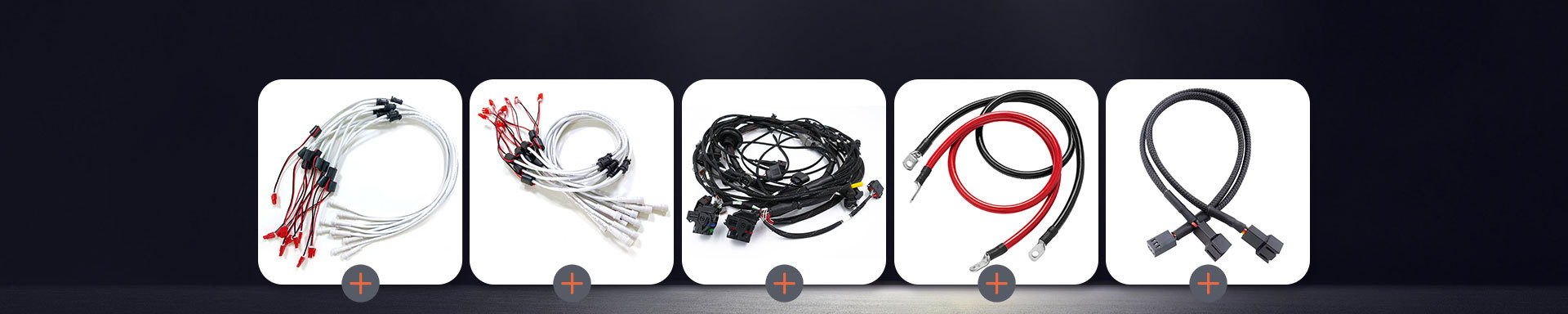
As a professional manufacturer specializing in wire, cable, wire harnesses, and custom cable assemblies, Xiamen Evershine Electronic Technology Co., Ltd. helps global customers identify the right products for their applications while providing customized connectivity solutions that improve efficiency and reduce total project costs.

What Is the Difference Between Wire and Cable?
Although the two products look similar, they serve different purposes and are designed for different environments.
What Is a Wire?
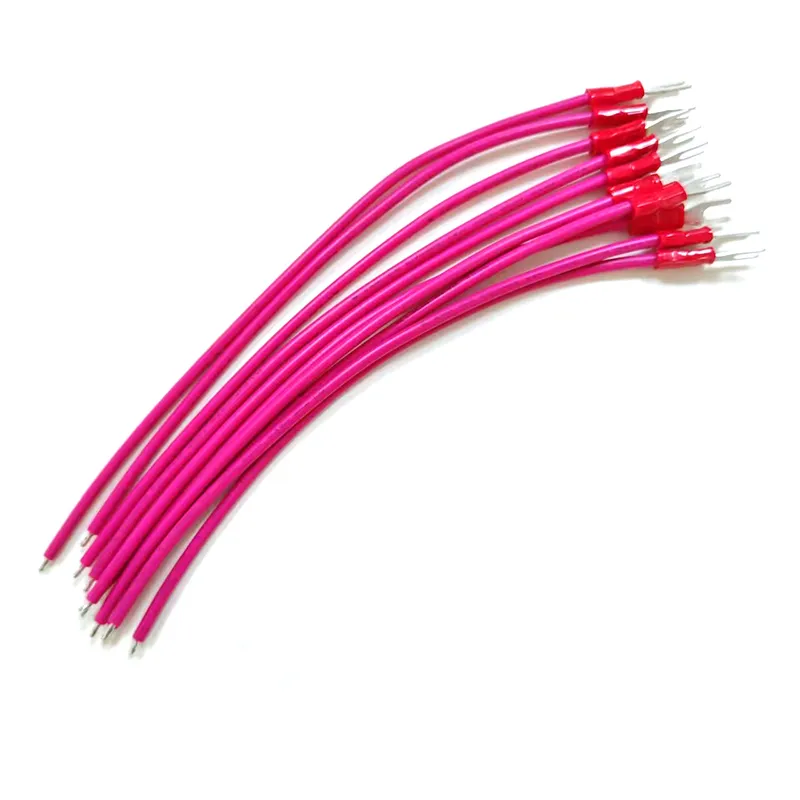
A wire is a single electrical conductor used to carry electrical current or signals. It may consist of a solid conductor or multiple stranded conductors twisted together.
Typical wire components include:
Copper or aluminum conductor
Insulation layer
Optional shielding
Protective coating
Because of its relatively simple structure, wire is commonly used for internal electrical connections and low-complexity installations.
Advantages of Wire
Lightweight
Cost-effective
Easy to install
Excellent electrical conductivity
Suitable for short-distance transmission
What Is a Cable?
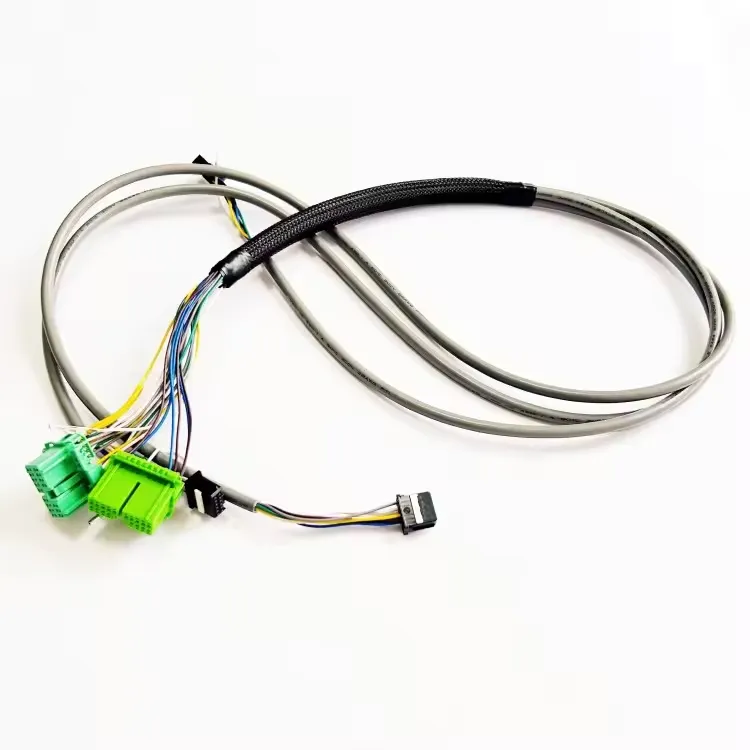
A cable consists of two or more insulated conductors bundled together and protected by an outer jacket. Depending on the application, cables may also include shielding, fillers, drain wires, armor, or waterproof structures.
Compared with individual wires, cables provide greater mechanical protection and are better suited for complex environments.
Advantages of Cable
Higher durability
Better environmental protection
Improved signal integrity
Easier cable management
Longer service life
Wire vs. Cable: Key Differences
| Feature | Wire | Cable |
|---|---|---|
| Structure | Single conductor | Multiple insulated conductors |
| Mechanical Protection | Basic | Excellent |
| Installation | Simple | Medium to complex |
| Signal Transmission | Basic | High-performance |
| EMI Resistance | Limited | Better shielding options |
| Outdoor Applications | Limited | Excellent |
| Industrial Applications | Moderate | Extensive |
| Cost | Lower | Higher |
Understanding these differences allows buyers to avoid unnecessary costs while improving overall system performance.
Application Scenarios
Different industries require different wiring solutions.
Industrial Automation
Factories rely heavily on cables for connecting PLCs, servo motors, robots, sensors, and control cabinets.
Recommended products:
Flexible industrial cables
Shielded control cables
Cable assemblies
Wire harnesses
Automotive Electronics
Modern vehicles contain hundreds of electrical circuits.
Applications include:
Engine systems
Lighting
Battery management
Charging systems
ADAS modules
These applications require highly reliable automotive-grade cables and custom wire harnesses.
Communication Equipment
Stable signal transmission is critical in communication systems.
Common products include:
Data cables
High-speed communication cables
Shielded signal cables
Fiber optic cables
Household Appliances
Home appliances require cost-effective yet reliable wiring systems.
Typical applications include:
Refrigerators
Washing machines
Air conditioners
Kitchen appliances
Smart home devices
Renewable Energy Systems
Solar and wind power installations demand cables capable of operating under UV exposure, high temperatures, and outdoor conditions.
Common products include:
PV cables
Battery cables
Power cables
Waterproof cable assemblies
Technical Parameters Buyers Should Understand
Selecting the correct wire or cable involves much more than choosing the right length.
| Parameter | Typical Options | Why It Matters |
|---|---|---|
| Conductor Material | Copper / Aluminum | Conductivity |
| Wire Gauge | AWG 32–AWG 0000 | Current capacity |
| Rated Voltage | 12V–35kV+ | Electrical safety |
| Temperature Rating | -40°C to 200°C | Environmental suitability |
| Insulation Material | PVC, XLPE, Silicone, TPE | Durability |
| Shielding | None, Foil, Braided | EMI protection |
| Protection Rating | IP20–IP68 | Waterproof capability |
| Flame Rating | UL94, VW-1 | Fire safety |
Before purchasing, always verify that the product specifications match the operating environment and electrical requirements.
Common Purchasing Questions
"Should I Buy Wire or Cable?"
If your project involves a single electrical connection inside controlled environments, wire is often sufficient.
If multiple conductors, environmental protection, or long-distance transmission are required, cable is the better choice.
"Do I Need Shielded Cable?"
Shielding is recommended whenever equipment operates near motors, frequency converters, or high-frequency communication devices.
Proper shielding significantly reduces electromagnetic interference.
"How Do I Select the Correct Wire Gauge?"
The wire gauge should be determined according to:
Current load
Cable length
Voltage drop
Ambient temperature
Selecting an undersized conductor can cause overheating and shorten equipment life.
"Should I Choose Standard Products or Custom Solutions?"
Standard products work well for general applications.
However, equipment manufacturers increasingly choose customized cables and wire harnesses to improve installation efficiency and product reliability.
Industry Data Supporting Smarter Purchasing Decisions
The global wire and cable market continues to expand, driven by electrification, renewable energy, electric vehicles, industrial automation, and digital infrastructure.
Several market research firms estimate that:
The global wire and cable market is expected to exceed USD 320 billion by the end of the decade.
Industrial automation investment continues to grow at over 8% annually in many major manufacturing regions.
Electric vehicles typically require 2–5 kilometers of wire and cable per vehicle, significantly more than traditional internal combustion vehicles.
Smart factories can reduce installation time by 20%–40% by adopting customized cable assemblies and wire harnesses instead of manually assembling individual wires.
These trends demonstrate why selecting the right wire or cable has become a strategic purchasing decision rather than a simple commodity purchase.
Why Choose Xiamen Evershine Electronic Technology Co., Ltd.?
Since its establishment, Xiamen Evershine Electronic Technology Co., Ltd. has been committed to delivering high-quality wire and cable solutions for customers around the world.
Our Expertise Includes
Wire manufacturing
Power cable production
Custom cable assemblies
Wire harness development
OEM & ODM manufacturing
Engineering support
Industries We Serve
Communications
Consumer electronics
Home appliances
Industrial automation
Aerospace
Marine
Automotive
Renewable energy
Quality You Can Trust
Our factory operates under an ISO9001-certified quality management system. Every product undergoes rigorous inspections, including conductor verification, continuity testing, insulation testing, and final quality checks to ensure reliable performance.
Your Purchasing Journey with Evershine
Working with Xiamen Evershine is straightforward and customer-focused.
Step 1: Share Your Project Requirements
Tell us about your application, technical specifications, drawings, or samples.
Step 2: Receive Professional Engineering Advice
Our experienced engineers evaluate your requirements and recommend the most suitable wire, cable, or customized harness solution.
Step 3: Prototype Development
We manufacture samples for validation and performance testing before mass production.
Step 4: Confirm Specifications
After approval, we finalize the design, production schedule, and quality standards.
Step 5: Mass Production
Products are manufactured using advanced production equipment and strict quality control procedures.
Step 6: Global Delivery and After-Sales Support
We provide efficient logistics solutions and continuous technical support to ensure a smooth purchasing experience from inquiry to delivery.
Conclusion
Understanding the difference between wire and cable is the first step toward making smarter purchasing decisions. The right choice can improve system reliability, reduce installation costs, simplify maintenance, and extend equipment life.
Whether you need standard electrical wire, high-performance industrial cables, or fully customized wire harness solutions, Xiamen Evershine Electronic Technology Co., Ltd. is your trusted manufacturing partner.
Our experienced engineering team, strict quality management system, and comprehensive customization capabilities enable us to deliver reliable connectivity solutions for projects of every size.
Still unsure whether your application requires wire, cable, or a custom assembly? Contact Xiamen Evershine today. Our experts are ready to help you find the right solution for your next project.