

How to Avoid Poor Connection Issues When Sourcing DuPont SYP 2 Pin Connector Wire Harness from Chinese Factory?
2026-09-23 10:20For industrial control equipment, small appliances, and smart electronic devices, a two-pin connector may look like a simple component. However, a poorly manufactured connector wire harness can create intermittent connections, terminal back-out, damaged insulation, or unexpected equipment shutdowns.
This is particularly important when sourcing a DuPont SYP 2 Pin Connector Wire Harness from an overseas factory.
For OEM manufacturers and wire harness importers, the challenge is not simply finding a supplier that can assemble two wires into a connector. The real question is whether the factory can consistently control terminal crimping, connector assembly, wire processing, electrical continuity, mechanical retention, and insulation quality during mass production.
When purchasing from a Chinese factory, buyers should therefore evaluate the complete wiring harness assembly process rather than judging quality only from a pre-production sample.
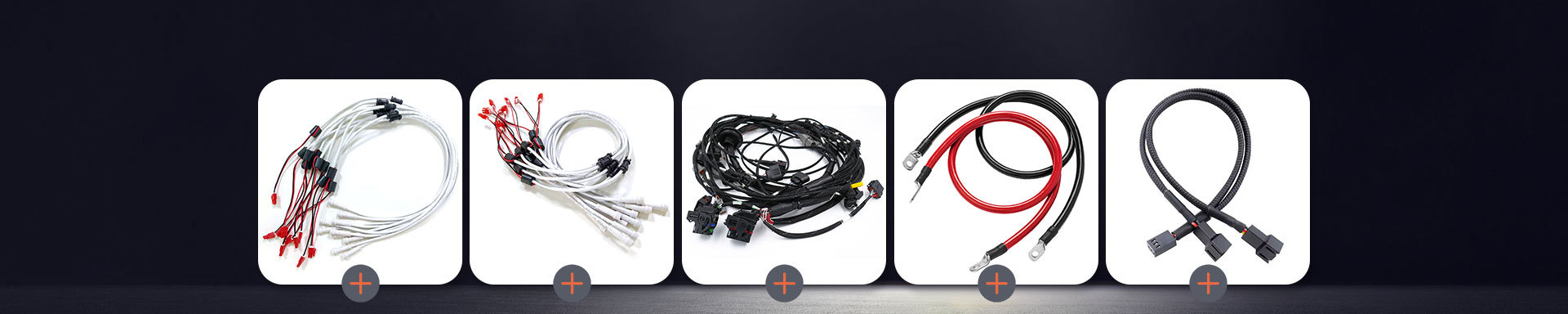
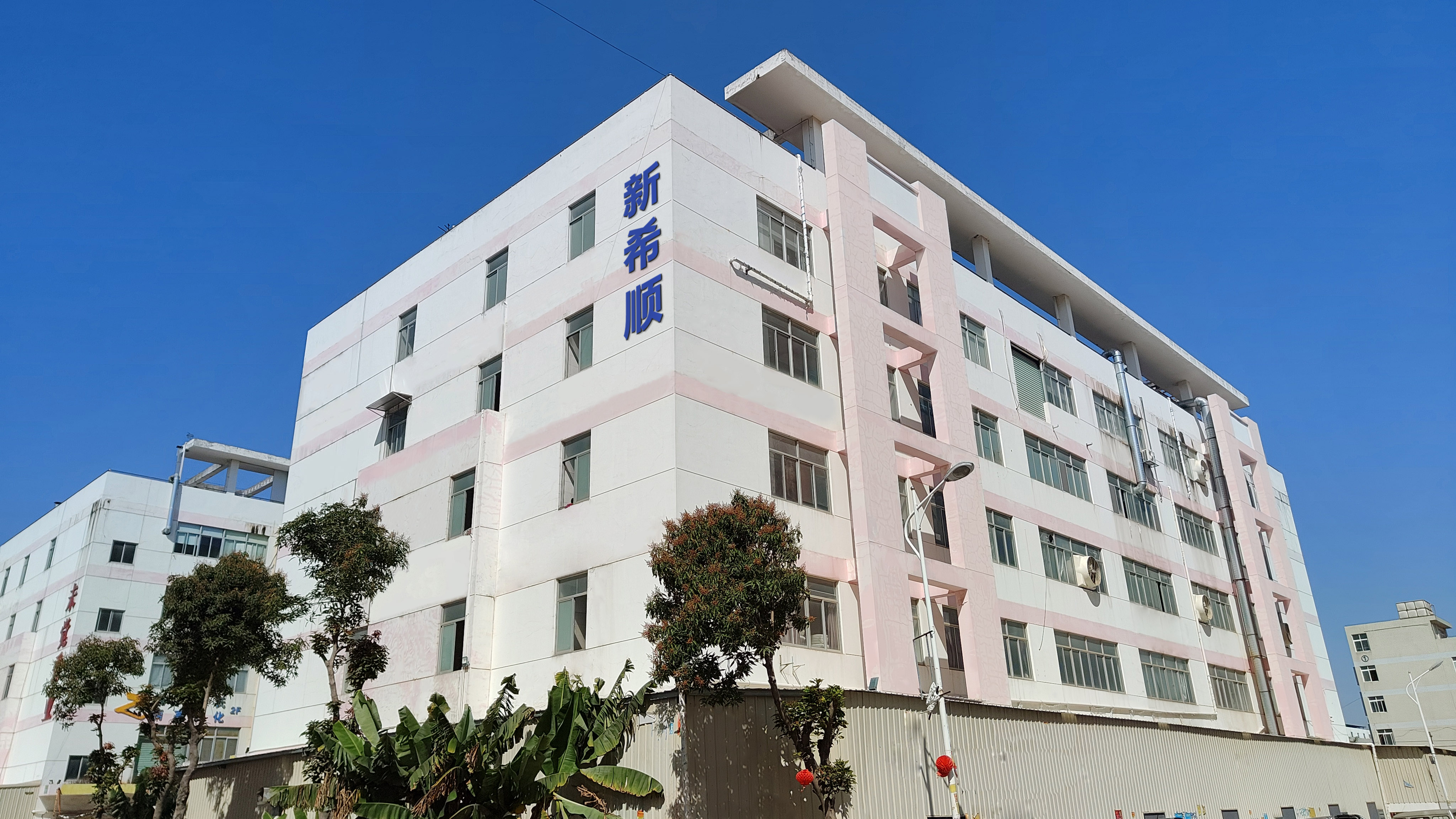
Xiamen Evershine specializes in the R&D, manufacturing, and sales of wires, cables, and wire harness products, providing customized harness solutions according to customers' wire specifications, connector requirements, cable lengths, and application conditions.
1. User Problem: What Causes Poor Connections in SYP 2 Pin Wire Harnesses?
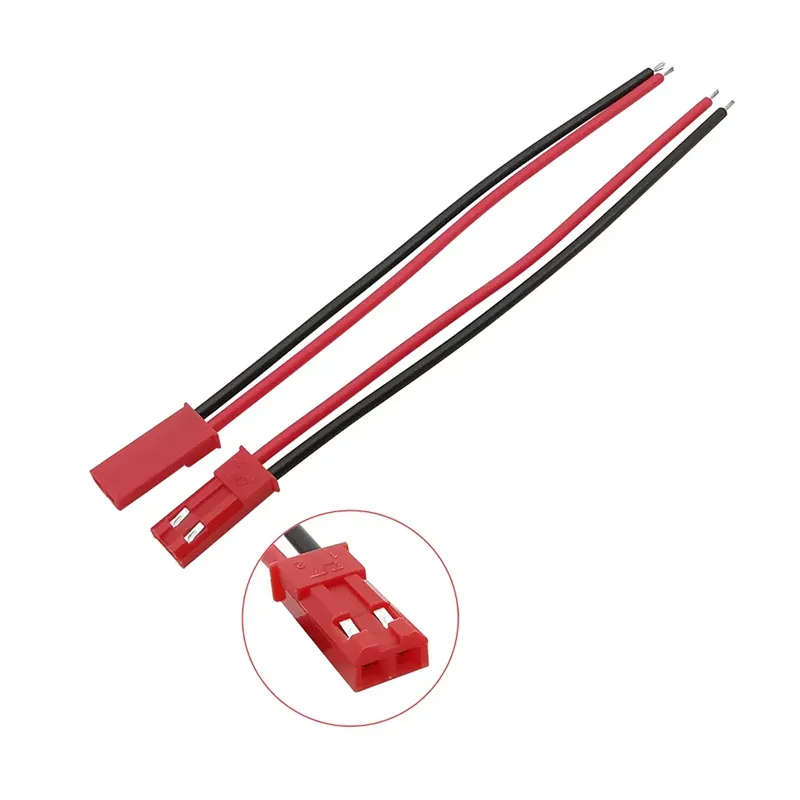
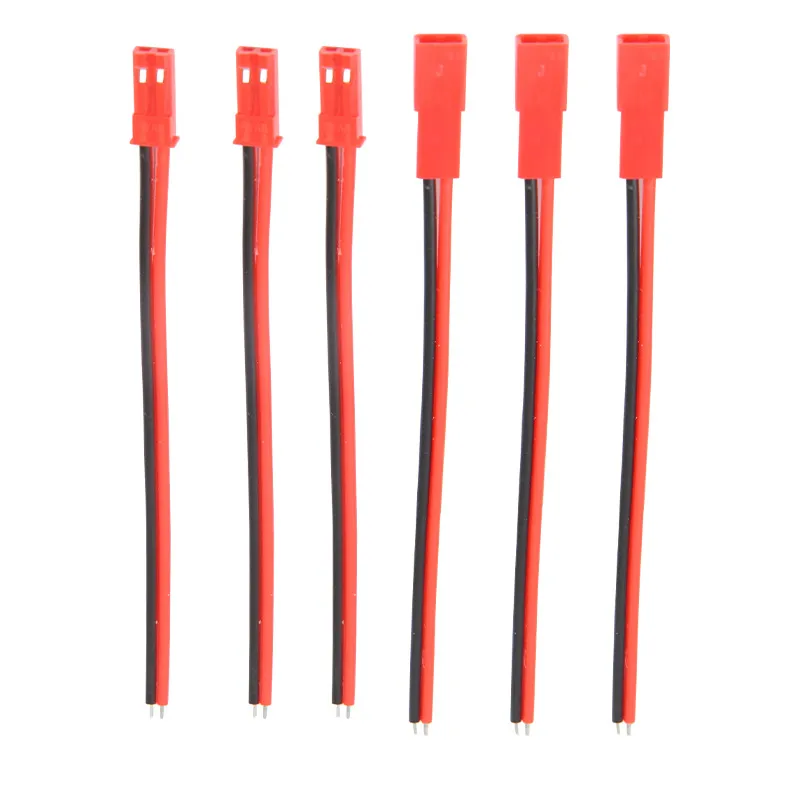
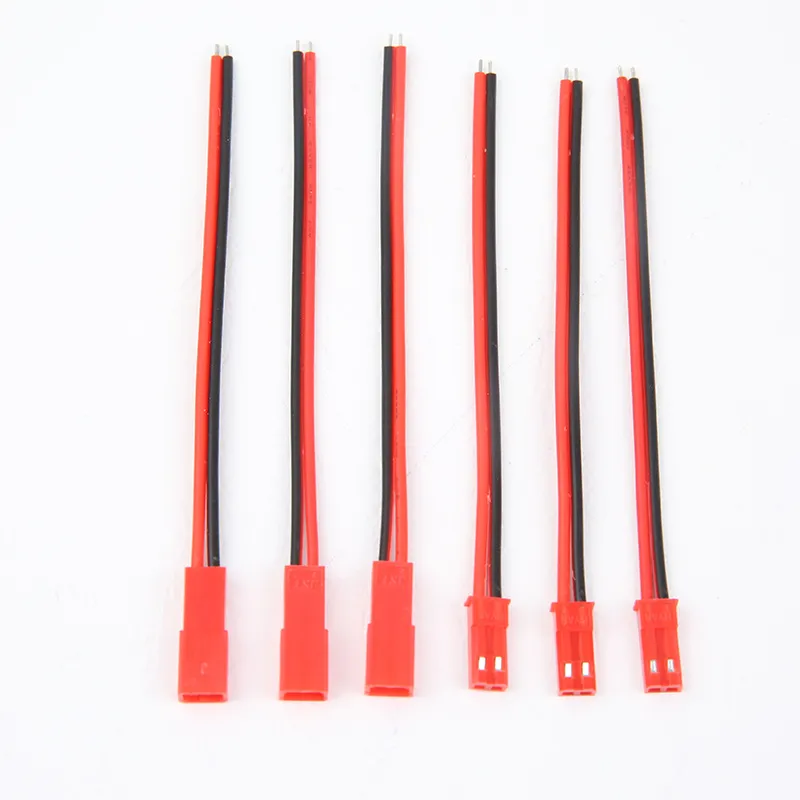
A DuPont SYP 2 Pin Connector Wire Harness normally consists of a connector housing, terminals, and wires assembled into a defined electrical connection.
Although the structure is relatively compact, several manufacturing problems can affect its reliability.
The most common issues include:
Terminal back-out or terminal pull-out
Poor electrical contact
Unstable continuity
Damaged wire insulation
Incorrect wire length
Incorrect terminal crimping
Loose terminal retention
Conductor damage during stripping
Incorrect connector assembly
Pin-to-pin wiring errors
For equipment manufacturers, these problems can create much larger consequences than the cost of the harness itself.
A poor connection may result in:
Intermittent signal → Equipment malfunction → Troubleshooting → Production downtime → Customer complaints
This is why procurement engineers should evaluate the supplier's manufacturing process before placing a high-volume order.
2. Product Selection: What Should Buyers Check Before Ordering an SYP 2 Pin Harness?
The first step is confirming that the connector and wire configuration match the actual application.
When sourcing a DuPont SYP 2 Pin Connector Wire Harness, buyers should confirm several key elements.
Connector Configuration
The connector should be confirmed according to the required:
Connector series
Number of positions
Pitch
Housing configuration
Locking structure
Mating direction
Terminal type
For a two-position connector, buyers should also confirm the exact pin arrangement instead of relying only on product photos.
Wire Specification
The wire must be compatible with the electrical and environmental requirements of the equipment.
Important specifications may include:
Wire gauge
Conductor material
Number of conductors
Insulation material
Voltage rating
Current capacity
Temperature range
Flexibility
Flame-retardant requirements
Wire Length
Cable length is another important customization parameter.
For compact electronic equipment, an incorrect wire length can create unnecessary bending, tension, or installation difficulty.
The factory should therefore produce according to an approved drawing, BOM, sample, or written specification.
3. Technical Parameters: What Makes a Reliable Wiring Harness Assembly?
A professional wiring harness assembly should be controlled at several stages.
3.1 Wire Stripping Accuracy
Before crimping, the wire insulation must be stripped to the appropriate length.
If too much insulation is removed, excessive conductor may be exposed.
If the stripping length is insufficient, the conductor may not enter the terminal barrel correctly.
Poor stripping can therefore affect both electrical contact and mechanical retention.
3.2 Terminal Crimping
Crimping is one of the most important processes in wire harness manufacturing.
A correct crimp should securely connect the conductor to the terminal without unnecessarily damaging the conductor strands.
Potential crimping problems include:
Loose conductor crimp
Excessive compression
Damaged conductor strands
Incorrect crimp height
Incomplete conductor insertion
Insulation positioned incorrectly
Terminal deformation
For this reason, professional factories should establish controlled crimping parameters rather than depending entirely on manual visual judgment.
3.3 Terminal Retention and Pull-Out Resistance
Terminal retention is particularly important for small connectors.
During transportation, assembly, vibration, or equipment operation, a weakly retained terminal may move backward inside the housing.
This can cause the terminal to fail to make reliable contact with the mating connector.
A factory can use appropriate pull-force testing to verify the mechanical strength of the crimped connection according to the applicable terminal and customer requirements.
3.4 Connector Housing Assembly
Even when the terminal itself is correctly crimped, the final assembly can still fail if the terminal is not fully inserted into the connector housing.
The terminal should lock into the housing correctly.
During inspection, operators or automated processes should check for:
Correct terminal position
Proper locking
Connector orientation
Correct pin sequence
Housing damage
This helps prevent terminal back-out during transportation and final equipment assembly.
3.5 Electrical Continuity Testing
A professional wiring harness assembly should be electrically tested according to the customer's requirements.
Continuity testing can help identify:
Open circuits
Incorrect pin connections
Wiring sequence errors
Short circuits
Missing connections
For a two-pin harness, the electrical structure may be simple, but that does not eliminate the need for testing.
The purpose of electrical testing is to verify the completed assembly rather than assuming that correct visual assembly automatically means correct electrical performance.
3.6 Insulation and Outer Jacket Inspection
Another common problem is damaged wire insulation.
Damage may occur during:
Cutting
Stripping
Crimping
Assembly
Handling
Packaging
Possible defects include scratches, cuts, compression marks, exposed conductors, and excessive deformation.
For equipment operating in an industrial or enclosed environment, insulation integrity is particularly important for preventing unintended contact and maintaining electrical safety.
4. Application Scenarios: Where Can SYP 2 Pin Wire Harnesses Be Used?
The actual application determines which wire and connector specifications should be selected.
Industrial Control Equipment
Industrial controllers, sensors, control modules, switches, indicators, and other electronic assemblies may require compact two-wire connections.
In these applications, connection stability can be particularly important because intermittent wiring faults can be difficult to diagnose.
Small Appliances
Small appliances may contain PCBs, motors, sensors, switches, displays, and control modules that require compact internal wiring.
A customized two-pin harness can simplify assembly and standardize internal connections.
Smart Devices
Smart electronic devices often have limited internal space.
A compact connector harness can connect sensors, control boards, indicator modules, or other electronic components while simplifying assembly and service.
Electronic Control Modules
For OEM products containing multiple PCBs or functional modules, standardized harness assemblies can help reduce wiring complexity.
The connector, wire length, and pin configuration can be customized according to the product architecture.
5. Purchasing Decision: How Should OEM Buyers Evaluate a Chinese Factory?
When sourcing a DuPont SYP 2 Pin Connector Wire Harness from China, buyers should avoid choosing a supplier based only on unit price.
A better evaluation should cover four areas:
Manufacturing Capability
Can the supplier perform wire cutting, stripping, terminal crimping, connector assembly, and testing in-house?
Quality Control
Does the supplier have documented inspection procedures for crimping, continuity, terminal retention, and insulation?
Engineering Support
Can the supplier understand drawings, BOMs, samples, and customized wire specifications?
Production Consistency
Can the supplier reproduce the approved sample consistently across future batches?
A low quotation has limited value if the resulting harness generates high incoming inspection rejection or field failures.
Factory vs Trading Company
For standard connectors, distributors can sometimes provide convenient sourcing.
However, for customized OEM wiring harness assembly, direct factory cooperation can provide several advantages.
| Evaluation Factor | Trading Supplier | Manufacturing Factory |
|---|---|---|
| Production control | Indirect | Direct |
| Crimping process | Depends on subcontractor | Factory-controlled |
| Electrical testing | Depends on partner | Directly controlled |
| Engineering communication | May involve multiple parties | Direct |
| Wire customization | Depends on supplier | More flexible |
| Length customization | Usually available | Direct production control |
| Quality responsibility | May involve multiple parties | Clearer |
| Engineering changes | Additional coordination | Direct factory communication |
| Mass production | Subcontractor dependent | Factory production planning |
For long-term OEM programs, direct communication can simplify the transition from sample → pilot production → mass production → repeat orders.
6. Factory Solution: How Does Xiamen Evershine Control SYP 2 Pin Harness Quality?
For a professional wire harness factory, quality should be built into the manufacturing process rather than added only at final inspection.
Xiamen Evershine can organize customized wire harness production around several critical control points.
Step 1: Specification Confirmation
Before production, the factory confirms:
Connector model
Terminal specification
Wire specification
Wire length
Circuit count
Pin definition
Application requirements
Required quantity
Testing requirements
This reduces the risk of producing according to incomplete or ambiguous information.
Step 2: Incoming Material Inspection
Wire, connector housings, terminals, and other materials should be checked against the approved specifications.
Material verification is important because incorrect components cannot be corrected through a good crimping process.
Step 3: Automatic Wire Cutting and Stripping
Automated wire-processing equipment can improve consistency in:
Wire length
Stripping length
Cutting accuracy
This is particularly useful when producing repeated OEM harness configurations.
Step 4: Automatic or Controlled Terminal Crimping
The terminal crimping process should use suitable tooling for the selected wire and terminal.
Critical parameters can include crimp dimensions, conductor positioning, and terminal deformation.
The objective is to create repeatable electrical and mechanical connections.
Step 5: Terminal Insertion and Housing Assembly
After crimping, terminals are inserted into the connector housing according to the specified pin arrangement.
The assembly should be checked for correct terminal position and locking.
This is one of the key controls for preventing terminal back-out.
Step 6: Pull-Force Testing
Appropriate samples can undergo pull-force testing according to the relevant terminal specification or customer-defined acceptance criteria.
This provides mechanical evidence that the crimp connection has sufficient retention.
Step 7: Continuity Testing
The completed wiring harness assembly can undergo electrical testing to identify open circuits, short circuits, and incorrect wiring.
For OEM products, this provides an additional quality-control checkpoint before shipment.
Step 8: Final Visual Inspection
Final inspection should verify:
Connector appearance
Wire length
Terminal position
Insulation condition
Connector orientation
Pin configuration
Crimp appearance
Packaging
The completed harness is then packaged according to the customer's requirements.
7. How Can OEMs Reduce Connection Problems Before Mass Production?
A good quality-control process starts before the production order is placed.
OEM purchasing engineers should provide as much technical information as possible.
Recommended Pre-Production Checklist
1. Confirm the connector
Provide the exact connector series or part number.
2. Confirm the terminal
The terminal must match the selected wire and connector.
3. Confirm the wire
Specify gauge, insulation, voltage, temperature, flexibility, and other relevant requirements.
4. Confirm the length
Specify the finished wire length and measurement method.
5. Confirm the pin definition
Provide a wiring diagram or pin-to-pin table.
6. Approve the sample
Check connector mating, wire length, pin sequence, mechanical fit, and electrical continuity.
7. Define testing requirements
Clarify whether continuity, pull-force, dimensional, or other testing is required.
8. Establish an approved specification
Once the sample is approved, use the same drawing, BOM, and specification as the reference for mass production.
This approach reduces the risk of a supplier interpreting the same harness differently between batches.
8. Conversion Path: What Should You Send to a Chinese Wire Harness Factory?
If you are an electronic OEM manufacturer or wire harness importer, you do not necessarily need to know every manufacturing parameter before contacting a factory.
A useful RFQ package can include:
Connector photo or part number
Terminal photo or part number
Wire specification
Required wire length
Number of conductors
Pin configuration
Wire color
Application
Estimated order quantity
Existing harness sample
Product drawing
BOM
Testing requirements
If you already have a sample from another supplier, sending the sample together with your required quantity can help the factory evaluate the existing construction and determine the appropriate manufacturing process.
Request a Customized SYP 2 Pin Wire Harness Solution
Xiamen Evershine provides customized wire, cable, and wiring harness assembly solutions for electronic OEM manufacturers and international buyers.
Whether you need a standard configuration or a customized DuPont SYP 2 Pin Connector Wire Harness, the project can be evaluated based on your connector requirements, wire specifications, dimensions, application environment, and production quantity.
Send your drawing, BOM, sample, connector information, or wire requirements to Xiamen Evershine for technical evaluation and quotation.
FAQ
What is a DuPont SYP 2 Pin Connector Wire Harness?
It is a two-position connector cable assembly consisting of compatible wires, terminals, and connector housing, used to establish an electrical connection between electronic components or modules.
What are the most common SYP 2 Pin wire harness problems?
Common issues include terminal back-out, poor electrical contact, unstable continuity, incorrect pin configuration, poor crimping, and damaged wire insulation.
How can terminal back-out be prevented?
The terminal must be correctly crimped and fully inserted into the connector housing. Proper terminal locking and retention inspection are important, while appropriate pull-force testing can help verify mechanical retention.
Why is continuity testing important?
Continuity testing helps identify open circuits, incorrect wiring, and short circuits before the harness is shipped to the OEM customer.
Can the SYP 2 Pin wire harness be customized?
Yes. Depending on the connector and terminal configuration, the wire gauge, wire length, wire color, connector configuration, pin arrangement, and other harness specifications can be customized.
What should I provide when requesting a quotation?
A connector model or photo, wire specification, finished length, pin configuration, quantity, application information, and any available drawing, BOM, or sample can help the factory provide a more accurate quotation.
Why source a wiring harness assembly directly from a Chinese factory?
Direct factory sourcing can provide closer communication with engineering and production teams, more direct control of manufacturing processes, flexible customization, and a clearer path from sample approval to mass production.
Conclusion
For industrial control equipment, small appliances, and smart devices, a two-pin connector harness may be a small component, but its manufacturing quality can directly affect the reliability of the finished product.
When sourcing a DuPont SYP 2 Pin Connector Wire Harness from a Chinese factory, OEM buyers should pay particular attention to three common failure points:
Terminal back-out → Poor electrical contact → Damaged insulation
The solution is not simply stricter final inspection.
A reliable wiring harness assembly requires controlled wire processing, appropriate terminal crimping, correct housing insertion, pull-force verification, continuity testing, and final inspection.
For OEM manufacturers and international wire harness importers, working directly with a professional manufacturing factory such as Xiamen Evershine can provide a more direct route from technical specification and sample development to stable mass production.
The right supplier should not only assemble your connector. It should be able to control the complete manufacturing process behind the connection.